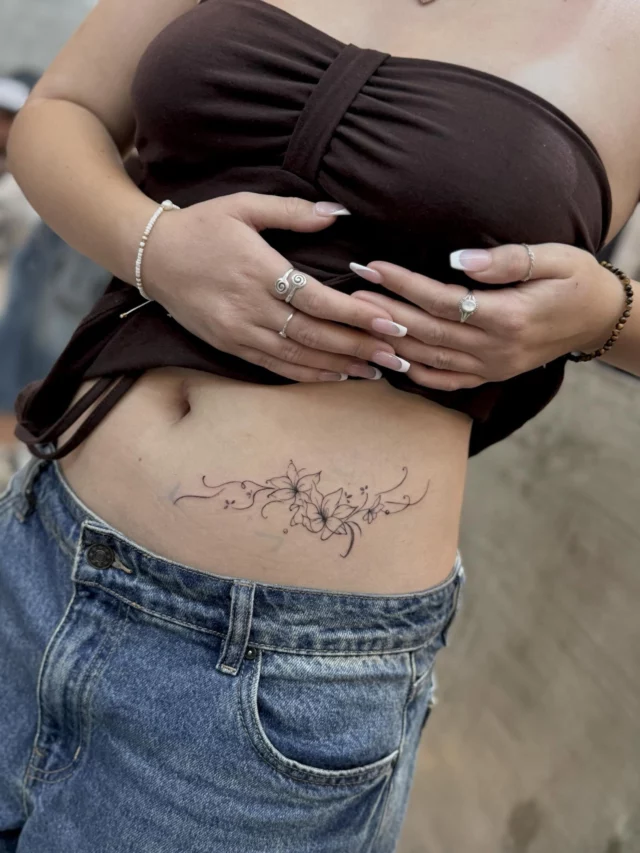
Finding the perfect design is only half the battle; deciding exactly where it should live on your body is just as important. The placement of your ink affects how it looks, how much it hurts to get done, how it ages, and how easily it can be concealed. If you are struggling to figure out the best placement for your, you are not alone. This tattoo placement guide will help you weigh the pros and cons of different body parts to ensure your tattoo is aligned with your personal preference.
Pain Tolerance and Visibility
Let us address the most common concern first: the pain factor. While everyone’s pain threshold is different, certain areas of the body are universally known to be more sensitive. As a general rule, areas with more fat and muscle, and fewer nerve endings, are the easiest to sit through. The outer thighs, calves, outer forearms, and shoulders are excellent choices for beginners or for those planning large, multi-hour pieces. On the other hand, areas where the skin is thin and directly over bone, such as the ribs, collarbones, ankles, and spine, tend to be significantly more painful. When seeking tattoo placement ideas, always factor in your pain tolerance and professional visibility requirements.
How the Design Interacts with Your Anatomy
A great artist does not just slap a stencil on your skin; they use a comprehensive tattoo placement guide to ensure the design flatters your body’s natural lines and musculature. A perfect example would be a long, flowing design like a snake or a floral vine looks incredible wrapping around a limb, accentuating the shape of the arm or leg. Symmetrical designs, like mandalas or geometric patterns, are ideally suited for flat, central areas like the sternum, upper back, or the back of the calves. You also need to consider how the skin moves and stretches. Solid, flat areas like the shoulder blades or forearms generally preserve the integrity of the design best over a lifetime.
A tattoo is more than an image placed on the skin; it is a design that becomes part of the body’s natural movement, shape, and structure. Understanding how artwork interacts with anatomy is essential to creating a piece that feels balanced, intentional, and timeless. Every curve, contour, and placement decision can influence how a tattoo flows with the body, whether it follows the natural lines of the shoulders, wraps around the arm, or complements the movement of the back, chest, or legs.
At Quiet Ink Studio, we understand that successful tattooing requires more than artistic skill alone. It involves careful consideration of proportions, skin texture, muscle definition, and how the design will appear from different angles and during everyday movement. Our artists take the time to assess each placement carefully, ensuring the final artwork enhances your natural features rather than simply sitting on top of them.
The relationship between design and anatomy is what transforms a tattoo from a simple illustration into a personalised piece of body art. Whether you are choosing a detailed realism piece, a fine line tattoo, or a bold statement design, thoughtful placement and expert execution help ensure the artwork remains visually striking for years to come.
Creating designs that work harmoniously with your unique body structure allows each tattoo to feel authentic, comfortable, and completely personal. A well-designed tattoo does not just represent an idea; it becomes a lasting expression that moves, ages, and evolves with you while maintaining its original character and meaning.
If you are planning to celebrate your new ink with friends, ask about our studio functions.
Get tattoo placement guide for your next custom piece. Contact our artists today to discuss your placement ideas and book your next session.